Asian Economies and the Impact of the Iran Conflict
As the conflict in Iran intensifies, its effects on global commodity markets are becoming increasingly evident. This situation has raised concerns among investment banks about the vulnerability of Asian economies. The region’s reliance on energy imports from the Gulf has come under scrutiny, with many countries facing significant risks.
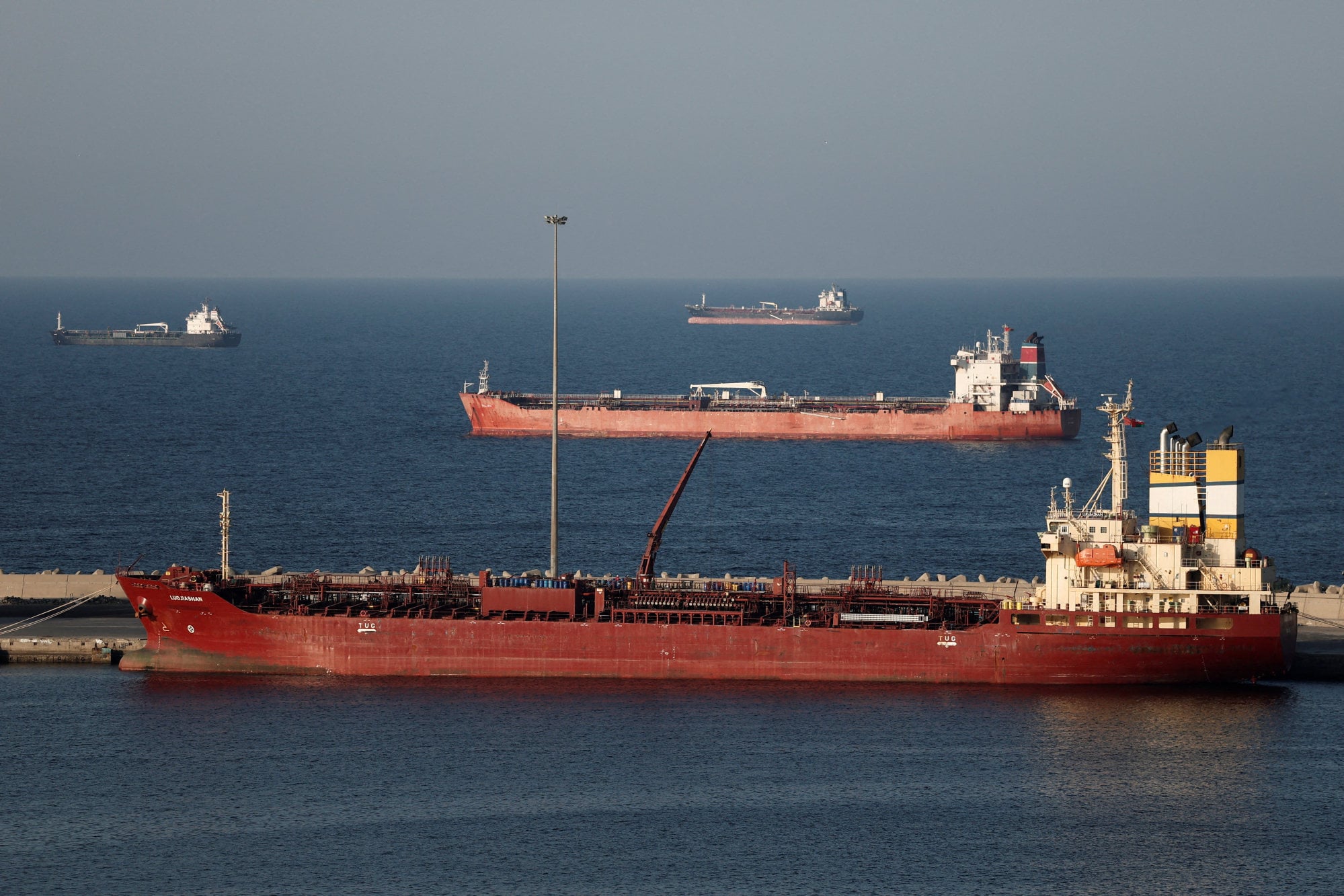
The Strait of Hormuz plays a critical role in this context. Before Iran effectively closed the waterway, three-quarters of the oil supplies that passed through it were destined for China, India, Japan, and South Korea. China alone accounts for nearly 40% of the crude supplies that normally transit through the strait. However, India, Thailand, and South Korea are more exposed to disruptions in the flows of oil and gas via the waterway.
According to Barclays, between 46% and 70% of the crude imports of these three countries come from the Gulf. Specific vulnerabilities linked to the Strait of Hormuz can mask these statistics, such as the fact that 97% of India’s non-liquefied natural gas imports of petroleum gases come from the Gulf. Some Asian governments have already taken steps to curb energy consumption, while cooking gas and diesel shortages have emerged in India and Thailand.
Buffers Against Energy Shocks
Stockpiles play a crucial role in mitigating the impact of energy shocks. Nomura notes that Japan and South Korea have the largest strategic and commercial stockpiles of crude, covering 200–250 days of imports. In contrast, India and Indonesia are in a much more precarious position, with their reserves covering only 20–25 days of demand.
However, stockpiles are not the only buffer. Energy import diversification, the degree to which commodity shocks impact the economy, the energy consumption mix, and financial market resilience are also key factors.
China’s Strategic Position
Among Asia’s leading economies, China is best placed to withstand the fallout from the war. Although it is the world’s biggest importer of oil, stricter government controls on energy prices limit the effects of commodity shocks. Furthermore, years of deliberate planning to reduce external dependencies and vulnerabilities are paying off.
First, China’s oil purchases are not as geographically concentrated as those of its main Asian peers. Less than half of the nation’s oil and gas imports come from the Gulf. Russia alone accounts for a significant portion, a share that is likely to rise as the war in the Middle East drags on.
Second, the 18% share of oil in China’s energy consumption is much lower than the global average of 30%. While coal accounts for more than half of demand, renewable sources of energy have grown rapidly over the past several years. Solar and wind power constitute more than a fifth of electricity generation.

Third, China’s capital markets are less dependent on overseas bond and equity investors, a source of resilience that is amplified during periods of financial turmoil. Overseas investors hold only 5% of Chinese government bonds, compared with 25% in South Korea. Low levels of foreign ownership reduce “the potential risks from global capital outflows and cross-market contagion amid broad-based risk-off events,” said JPMorgan.
Economic Resilience and Geopolitical Position
China’s better preparedness for the energy shock has underscored the importance of President Xi Jinping’s strategy of reducing the country’s external dependencies and vulnerabilities. The push for self-sufficiency, which allowed Beijing to gain the upper hand in the trade war through its dominance of the rare earths supply chain, has given China a “resilience premium” in financial markets.
Stronger economic data has reinforced the perception that China is better placed to cope with the energy crisis. Retail sales and industrial output in the first two months of this year grew faster than anticipated, while fixed asset investment rose after contracting in 2025. Moreover, exports skyrocketed 22%, powered by the surge in shipments to Southeast Asia and Europe.
To be sure, there are good reasons to be sceptical. The property sector is still mired in a deep downturn, severely constraining the recovery in domestic demand. Goldman Sachs said, “China’s economy remains bifurcated, with strong manufacturing and exports, but weak housing and consumer spending.”
Yet the narrative around China is no longer about economic growth, much less about policy stimulus. The unprecedented geopolitical shocks over the past year have put the focus squarely on countries’ and sectors’ relative resilience, especially in Asia.
In a region that is acutely vulnerable to the energy supply disruptions in the Gulf, China’s economy and markets are comparatively well insulated. Furthermore, Beijing is in a more favorable position geopolitically vis-a-vis Iran.
Traffic through the Strait of Hormuz is increasingly conditional. “The question is not whether the strait will reopen [but rather] by how much, how fast, and for whom,” said Carlyle. “The strait is simultaneously shut to insured Western-flagged commercial traffic but open to Chinese-destined Iranian tankers.”
As the global energy shock intensifies, China’s resilience is likely to become more pronounced. Some Asian economies are more shielded than others.

Bahran Hariz adalah seorang penulis di Media Online IKABARI.