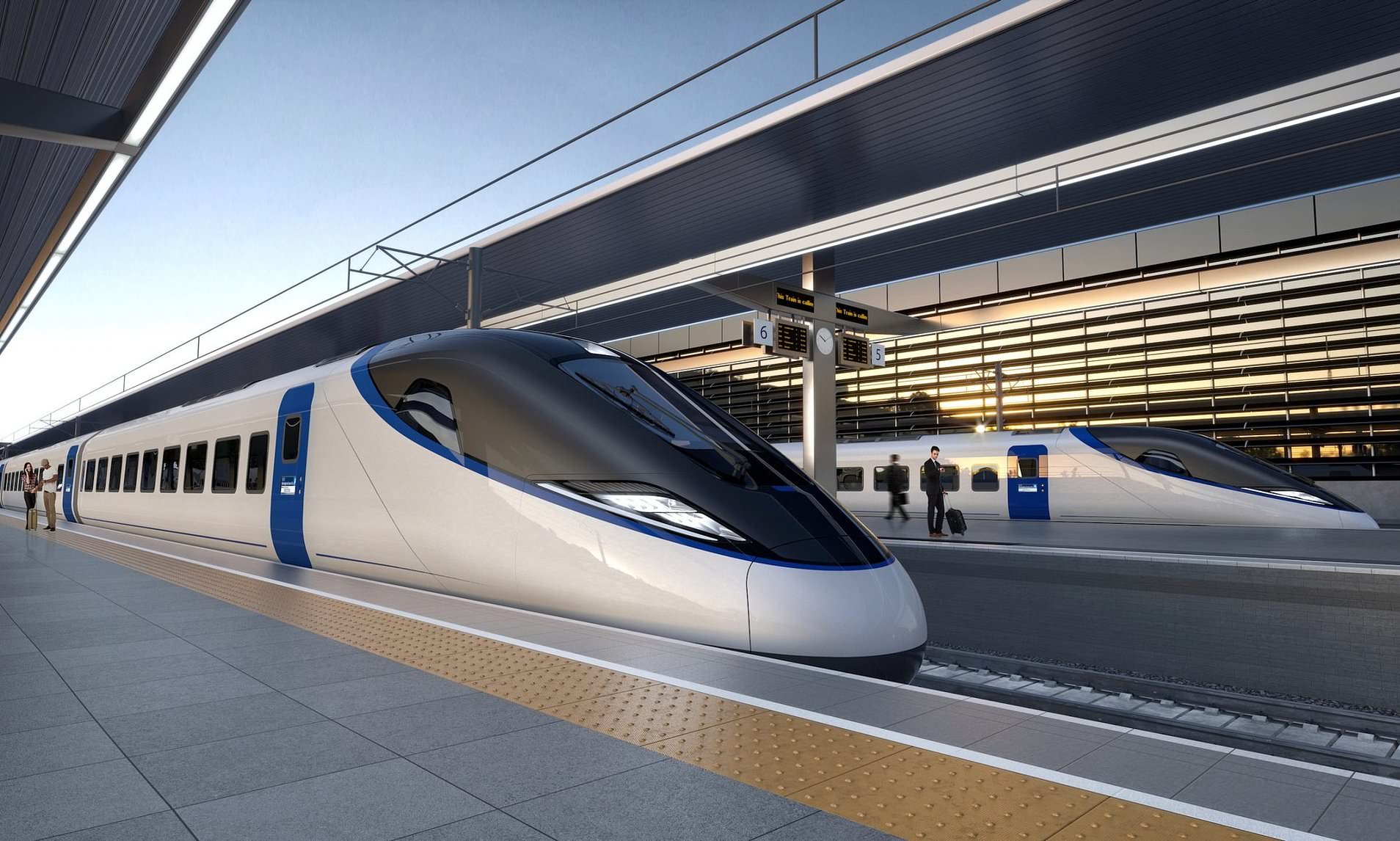
HS2 Speed Reduction Sparks Debate Over Cost and Efficiency
The UK’s High Speed 2 (HS2) rail project is facing significant changes as ministers consider reducing the top speed of its trains. This move, part of ongoing cost-cutting measures, could see the maximum operating speed drop from the originally planned 360kph (224mph) to as low as 300kph (186mph). If implemented, this would make HS2’s top speed slower than high-speed rail systems in countries like India, Morocco, and Indonesia, which currently operate at up to 350kph (217mph).
This decision comes amid growing concerns over the project’s spiraling costs and delays. The current estimated budget for HS2 has ballooned to £46.2 billion since 2019, far exceeding the original £37.5 billion target. Despite this, the project remains only half complete, with Phase One—connecting London and Birmingham—now projected to cost more than £80 billion, potentially reaching £100 billion.

Transport Secretary Heidi Alexander announced the review today, directing HS2 bosses to explore potential savings by reducing the top speed to either 320kph or 300kph. A final decision is expected later this year. The original 360kph target would have made HS2 the fastest high-speed rail system in the world, but no existing railway infrastructure in the UK or globally is designed for such speeds. This means a custom-built track would be required for testing, leading to further delays and increased costs.
Currently, HS1, the line used by Eurostar between London and Kent, is engineered to allow speeds of up to 300kph. This could provide a viable testing ground for HS2 if the speed is reduced accordingly. In comparison, France’s high-speed trains run at up to 320kph, while Germany and Italy operate at 300kph.
Impact on Journey Times and Public Perception
Despite the proposed speed reduction, insiders suggest that journey times between London and Birmingham—currently projected to be 41 minutes—would only increase by three to five minutes. Trains are rarely expected to reach the 360kph mark anyway. The fastest route via Avanti West Coast currently takes around 75 minutes.
Alexander emphasized the government’s commitment to delivering HS2 “as effectively and efficiently as possible.” She stated that the review aims to reduce construction time, save taxpayer money, and ensure the project delivers value for the country. “I share the public’s anger about the waste and mess of the past,” she said, adding that the government is taking steps to “pull HS2 out of its sclerosis and set it on a more sensible course.”
HS2 CEO Mark Wild echoed these sentiments, stating that the focus is not solely on speed but on delivering better journeys, increased capacity, and economic growth. “Speed has never been the primary objective,” he said. “This railway will deliver vital benefits for the country’s future prosperity.”
Financial Challenges and Criticisms
Despite these assurances, the project continues to face financial hurdles. HS2 bosses have had to request additional funding from the Treasury, with an expected £7 billion allocated for the 2026/27 fiscal year to keep construction moving forward. This follows years of budget overruns and delays, with the project initially announced in 2009 under the Labour government.
Critics argue that the project has struggled with accountability and spending control. Recent revelations highlighted that HS2’s PR department still employs nearly 100 staff at a cost of up to £14 million annually, drawing sharp criticism from opponents. Meanwhile, HS2’s new CEO, Mark Wild, is set to receive a total pay package of up to £940,000 this year, significantly higher than his predecessor, Mark Thurston, who earned £676,763 in his final year.
Tory MP Greg Smith, whose constituents have endured years of disruption due to HS2 construction, called the project a “vanity project” that fails to deliver useful outcomes. Maryam Eslamdoust, head of the TSSA rail union, criticized the lack of alternatives, stating that ministers should seek solutions to ensure HS2 operates at full speed from the start rather than compromising on speed or delaying the project further.
Ongoing Controversy and Future Outlook
As the debate over HS2’s direction continues, the project remains a focal point of political and public scrutiny. With mounting pressure to cut costs and improve efficiency, the decision to reduce train speeds may signal a shift in priorities. However, unions and critics remain skeptical, arguing that any compromise on speed risks leaving the UK behind in the global high-speed rail race.

Bahran Hariz adalah seorang penulis di Media Online IKABARI.