Thailand’s Shrimp Industry Navigates Tariffs and Expands Markets
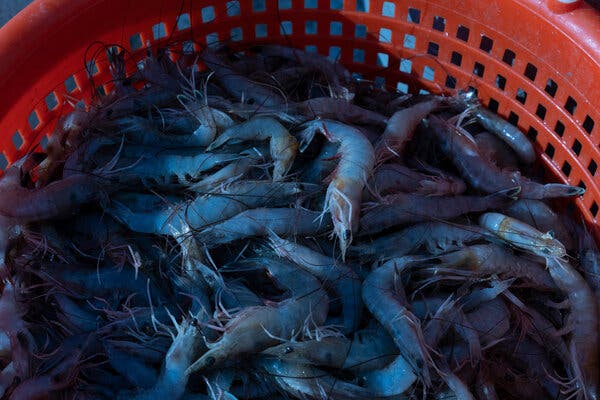
Thailand’s shrimp industry is showing signs of recovery despite the challenges posed by shifting international trade policies. According to Ekapoj Yodpinit, president of the Thai Shrimp Association, the sector remains resilient and is on track to produce 400,000 tonnes of shrimp this year. This ambitious target comes amid ongoing efforts to adapt to new tariffs and trade dynamics, particularly in the United States.
Tariff Landscape and Competitive Positioning
The US currently imposes a combined tariff of 17.01% on Thai shrimp exports, which includes a 15% global tariff and an additional 2.01% antidumping (AD) duty. While these rates are similar to those faced by other major exporters, they do not place Thailand at a significant disadvantage in the global market. For reference, Indonesia faces a 18.7% tariff, Ecuador ranges between 15-28.7%, Vietnam at 22.4%, and India at 24.5%.
However, the private sector acknowledges that US tariff policies are influenced by political factors, including the stance of former President Donald Trump. This uncertainty necessitates continuous monitoring of policy shifts. The US has already implemented a 10% global tariff on all imports, with reports suggesting a potential increase to 15% in the near future.
Production Growth and Weather Considerations
Despite these challenges, shrimp production in Thailand is on the rise. Farmers are gaining confidence due to strong export prospects and growing domestic demand. As a result, shrimp seed stocking is expected to increase by over 50% year-on-year in the first quarter. This surge in production aligns with the industry’s goal of meeting rising market demands.
Ekapoj also highlighted the potential impact of weather patterns on shrimp farming. Although forecasts predict a super El Niño event—bringing hot and dry conditions—he believes such weather could be more favorable for shrimp farming than cold or rainy conditions. This could help mitigate supply risks and support stable production levels.
Diversification of Export Markets
To reduce reliance on the US market, which once accounted for 60% of Thailand’s shrimp exports but now represents only 20%, the industry is actively diversifying its export destinations. Japan and China each account for another 20%, while ASEAN markets and domestic consumption make up 20-25% of total exports. This strategy aims to ensure long-term income stability for farmers and reduce vulnerability to regional trade fluctuations.
Free Trade Agreements as a Path Forward
The Thai Shrimp Association is urging the government to accelerate negotiations for free trade agreements (FTAs), particularly with the European Union. Following the loss of Generalised Scheme of Preferences (GSP) privileges, Thailand’s shrimp exports to Europe dropped from 60,000 tonnes annually to just 200 tonnes. A successful FTA could restore exports to 30,000-40,000 tonnes. Similarly, FTAs with Canada and South Korea are seen as critical for accessing high-potential markets.
Government Collaboration and Sustainability Initiatives
The association plans to submit a formal letter and hold meetings with the government to elevate shrimp farming to a national agenda. This initiative aims to address pressing issues such as disease outbreaks and improve production efficiency to meet growing market needs.
Ekapoj emphasized that while demand remains strong, exporters are cautious about accepting orders until production levels are assured. To support this, the association is calling for government funding to implement the proposed measures and ensure long-term sustainability of the industry.

Bahran Hariz adalah seorang penulis di Media Online IKABARI.