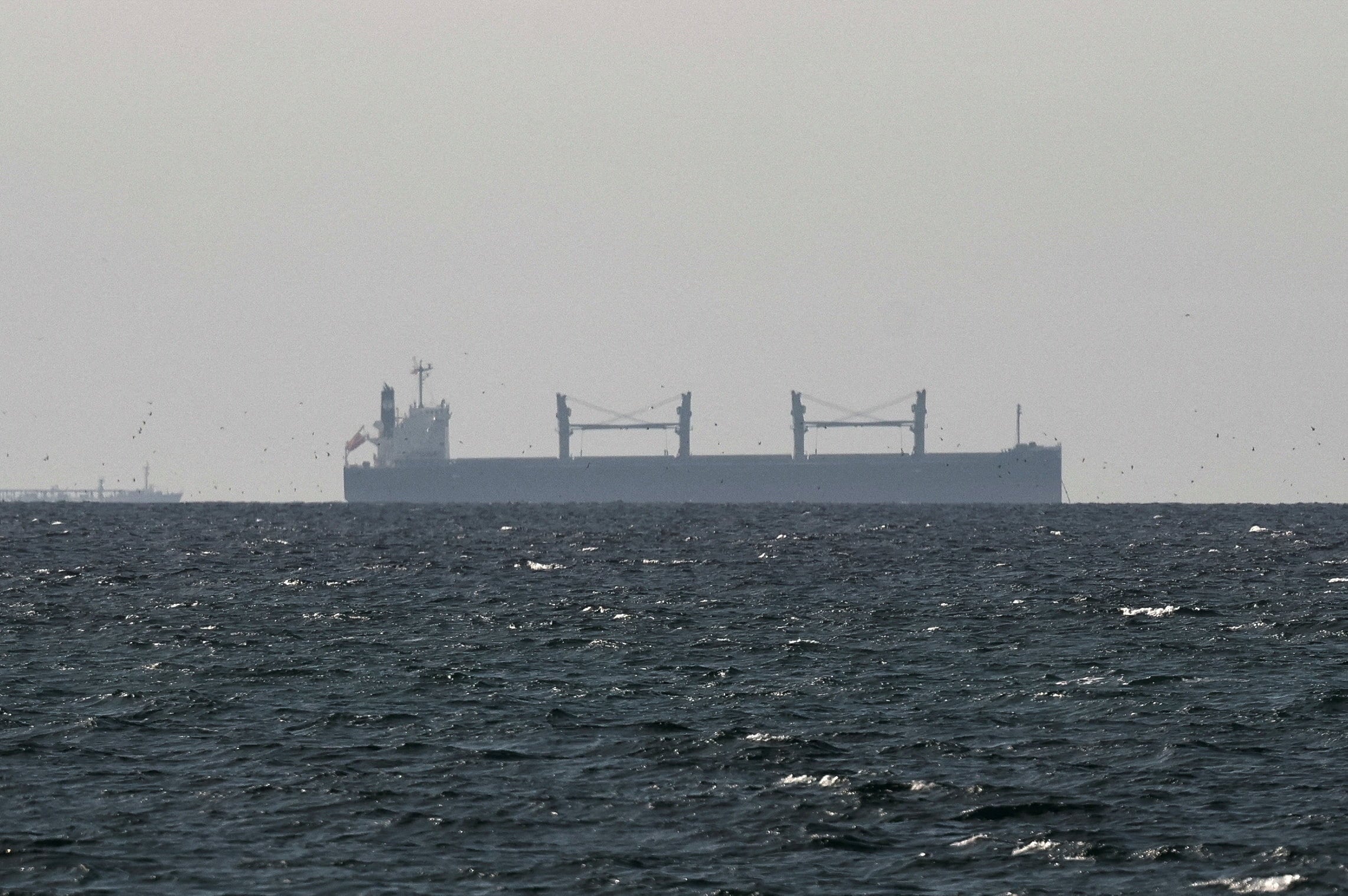
A U.S. expert has projected that South Korea and Japan will find it difficult to outright reject U.S. President Donald Trump’s request to dispatch forces to the Strait of Hormuz and will propose a certain level of contribution.
Jack Cooper, a senior researcher at the American Enterprise Institute, AEI, appeared on a podcast by the Center for Strategic and International Studies, CSIS, a think tank in Washington, D.C., on the 18th, and stated regarding the request to dispatch forces to the Strait of Hormuz, “Unfortunately, I do not believe Japan and South Korea are in a position to simply say ‘no.’”
He said, “(I think the answer) should be ‘yes,’ but if you ask whether Japan will send minesweepers to the strait, that is not the case at all. Moreover, aren’t European countries clearly stating they will not participate?” and added, “I believe Japan and South Korea will have to provide a certain level of contribution.”
Cooper mentioned the possibility of indirect support. He said, “If Japan provides support in the form of refueling in the open waters of the Indian Ocean, it can avoid the direct risk of Iranian attacks while offering a certain level of assistance to the U.S.” He continued, “In the situation where U.S. forces stationed in South Korea and Japan are being relocated to the Middle East, the decision by South Korea and Japan to contribute to Middle East operations will not be politically easy.” This analysis suggests that it will be difficult for them to decide to additionally contribute to Middle East operations amid increased defense burdens at home.
He noted that the Iran crisis is causing the U.S. Asia strategy to falter and said, “South Korea and Japan may have limited options, but other Asian countries like Singapore, Indonesia, and Thailand have a Plan B to lean more toward China if they find it difficult to trust the U.S.”
Christy Gabell, a senior advisor at CSIS, projected that the agenda of the U.S.-Japan summit scheduled for the 19th at the White House has changed due to the Iran variable. She said, “Originally, the summit was intended to discuss stabilizing U.S.-Japan relations, economic security, and the Taiwan issue, but now the agenda has shifted due to the Iran crisis,” and added, “The key will now be what and how much Japan can contribute.” She projected, “In a sense, it could become a litmus test to gauge loyalty.”
Gabell mentioned various ways Japan could contribute. She said, “Japan could participate in the U.S.’s next-generation missile defense initiative, the ‘Golden Dome,’ or contribute to expanding missile production to replenish stockpiles depleted by Iran-related operations.”
- 월 5900원 멤버십, 신문 독자에게는 2900원, 조선멤버십
- 55000원 상당의 신문-잡지 8종 마음껏 보기, 조선멤버십
- 현금처럼 쓸 7000포인트 받아 알뜰한 쇼핑, 조선멤버십

Bahran Hariz adalah seorang penulis di Media Online IKABARI.