VinFast’s Ambitious Plans for North Carolina Plant
VinFast, a Vietnamese electric vehicle (EV) manufacturer, has announced its intention to resume construction on its stalled EV factory in North Carolina. Despite the uncertainty surrounding its U.S. sales, the company is determined to move forward with its plans, albeit at a reduced scale compared to initial expectations.
The plant was originally scheduled to become operational in 2024, but construction was halted due to economic challenges. Now, VinFast aims to restart work this year, although the scope of the project has been significantly scaled back.

A Shift in American Ambitions
VinFast’s ambitions in the United States were once high, but they have faced numerous obstacles. The company struggled to attract buyers to its electric vehicles, particularly after receiving negative reviews from established journalists. This, combined with the challenges of being a newcomer in the market, made it difficult for VinFast to gain traction.
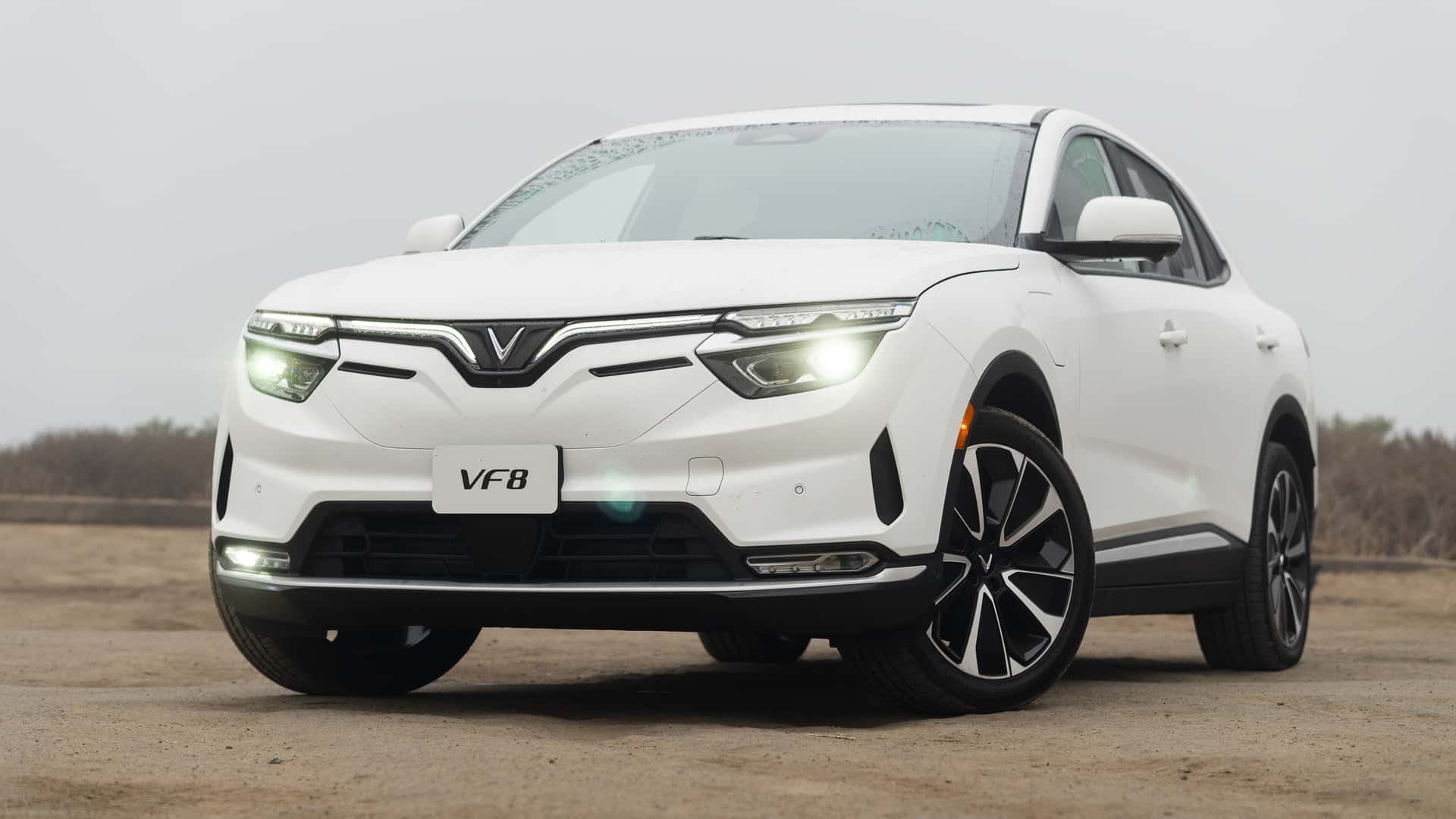
A key part of VinFast’s strategy involved building a new EV factory in North Carolina. A memorandum of understanding was signed with the state government in 2022, with the goal of producing the VF8 and VF9 electric SUVs by 2024. However, construction was put on hold in 2024, citing “economic headwinds.”
Now, the manufacturing facility is back in focus, but with a much smaller workforce than initially planned. According to reports, VinFast officials have informed North Carolina officials that they expect to create around 1,400 jobs, a significant drop from the 7,500 jobs originally promised.
Industry-Wide Challenges
This move comes at a time when several major players in the automotive industry have scaled back their EV ambitions in the U.S. Companies like Ford, Honda, and Stellantis have faced significant financial losses, leading them to shift focus back to gas and hybrid vehicles. The removal of the $7,500 federal tax credit and greenhouse gas emissions penalties has further complicated the situation for automakers.
Import tariffs have also played a role in these decisions, making it more challenging for companies to maintain their EV initiatives.
Financial Struggles and Global Growth
Despite these challenges, VinFast has seen some growth globally. In its fourth-quarter earnings release, the company reported a $3.9 billion net loss for the 2025 calendar year, including a $235.6 million impairment charge related to the North Carolina plant. However, VinFast managed to double its global vehicle sales last year, delivering nearly 200,000 EVs from its four factories—two in Vietnam, one in India, and one in Indonesia.
Incentives and Potential Consequences
In North Carolina, VinFast has been promised $315 million in incentives over 32 years. If the company fails to meet its commitments, it could lose this money. Additionally, according to Bloomberg, VinFast may be required to repay $125 million in site preparation costs if it doesn’t create 3,875 jobs. The state also has the option to buy back all or part of the 1,765-acre site if VinFast misses crucial milestones, such as creating 1,750 jobs by the end of this year.
However, if VinFast invests at least $500 million in the project’s primary development tract, the state can no longer repurchase the portion of the site that has already been developed.
Uncertainty Surrounding Construction and Sales
It remains unclear when construction will restart in North Carolina or whether any electric vehicles will roll off the assembly line there. VinFast’s U.S. sales are still a mystery, as the company does not provide detailed figures for individual markets. Its dealer network in the U.S. is relatively small, with just 18 locations open and two more set to open soon, according to the company’s website.

Bahran Hariz adalah seorang penulis di Media Online IKABARI.