Central Banks Adopt a Hawkish Stance Amid Global Uncertainty
Central banks around the world are showing a more hawkish tone as they grapple with rising inflation, supply chain disruptions, and geopolitical tensions. This shift in policy direction has led to increased uncertainty in financial markets, with investors adjusting their expectations for future interest rate movements.
The European Central Bank (ECB) has taken a more aggressive stance, reverting to language that analysts associate with potential interest rate hikes. This comes as global central banks face mounting pressure to address persistent inflation while also managing the risk of economic slowdowns. The situation is further complicated by ongoing conflicts in the Middle East, which have contributed to volatile oil prices and heightened market anxiety.
Rising Oil Prices and Monetary Policy
The recent escalation in tensions between the US and Iran has had significant implications for global markets. With crude oil prices stabilizing around $100 per barrel, many economists warn that this level could trigger stagflation or even a recession. The threat of military action from the US, including potential strikes on Iranian power plants, has only added to the uncertainty.
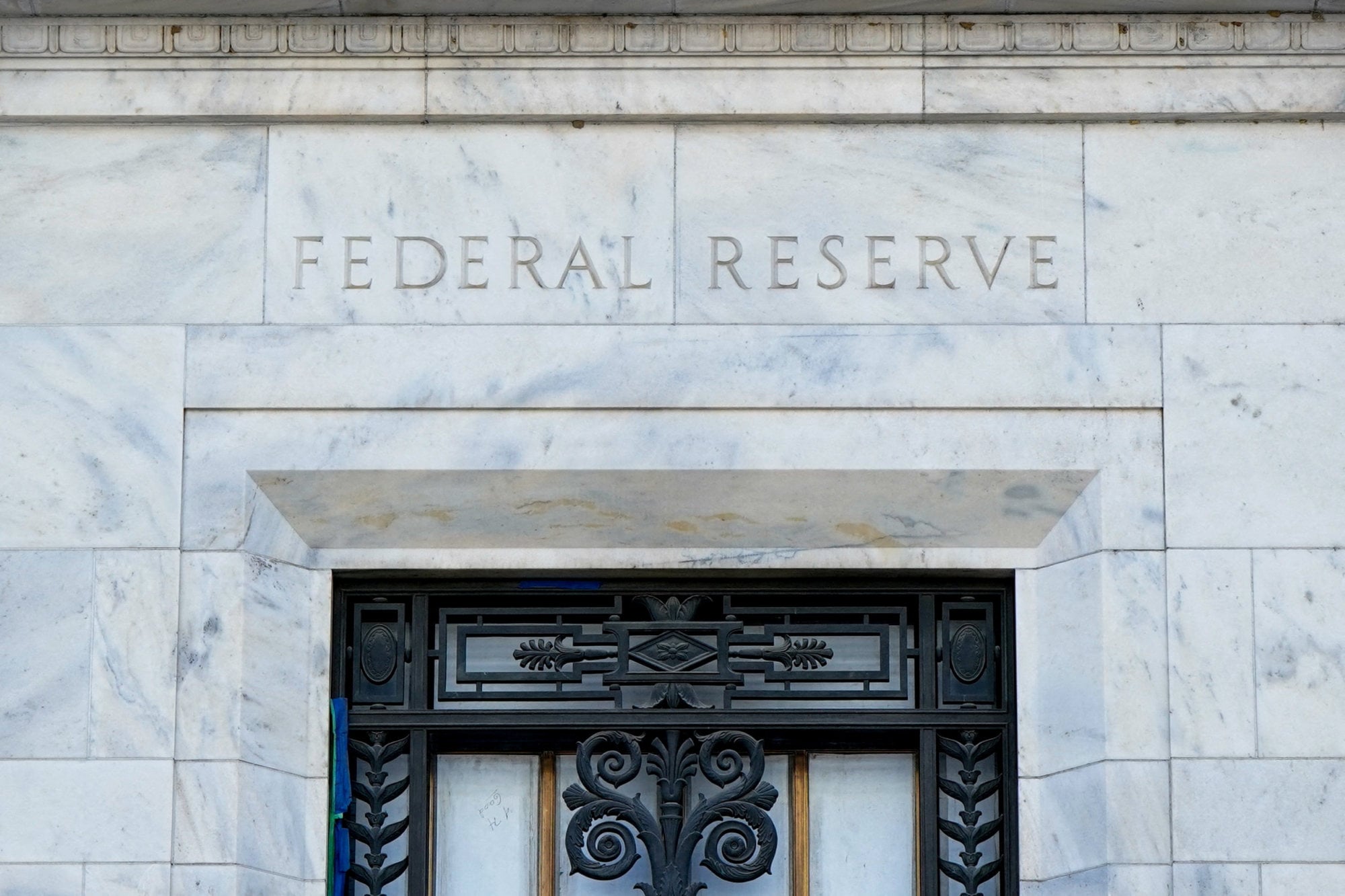
In response to these developments, the Federal Reserve has shifted its stance. Earlier projections of rate cuts this year have been abandoned, with Chair Jerome Powell emphasizing the impact of rising oil prices on the monetary outlook. This marks a departure from previous forecasts, which had anticipated two rate reductions before the conflict escalated.
Regional Impacts and Central Bank Adjustments
The tightening of monetary policy is not limited to the US. In Asia, several central banks have revised their outlooks. For example, Bank of America has removed its prediction of rate cuts in China this year, while ING anticipates that South Korea might raise borrowing costs as early as May. This shift follows the appointment of a more hawkish central bank governor, signaling a potential move toward tighter financial conditions.
Australia recently raised its interest rate by 25 basis points, reflecting concerns over higher energy costs and inflationary pressures. This decision underscores the broader trend of central banks prioritizing price stability over growth in the current environment.
Market Reactions and Investor Sentiment
The uncertainty surrounding monetary policy has led to significant volatility in financial markets. In Asia, stocks fell sharply on Monday, with bond yields climbing and gold prices dropping more than 8%. The decline in gold, traditionally seen as a safe-haven asset, highlights the growing appeal of higher-yielding assets in a tightening monetary environment.
Analysts warn that tighter financial conditions could pose challenges for global equities, which had previously traded at elevated levels. The expectation of monetary easing by central banks had supported high valuations, but the current situation suggests that this support may be waning.
Expert Perspectives
Karsten Junius, chief economist at Bank J. Safra Sarasin, noted that the risk of prolonged supply chain disruptions is increasing. He emphasized that central bankers are rightly concerned about the combination of repeated supply shocks and above-target inflation, which could lead to unstable inflation expectations.
Christine Lagarde, president of the ECB, has indicated that she will closely monitor inflation and the situation in the Middle East. Analysts at Dutch bank ING pointed out that the phrase “closely monitor” has historically been associated with upcoming rate hikes.
Balancing Inflation and Growth
Global central banks now face a difficult balancing act. They must curb inflation without stifling economic growth, particularly in an environment where rising oil prices are offsetting the disinflationary effects seen in some economies. Adam Marden, co-portfolio manager at T. Rowe Price, expects bond yields to continue rising as a result of this dynamic.
Charu Chanana, chief investment strategist at Saxo Markets, highlighted the risks of falling into a stagflation trap. If inflation remains stubborn while growth slows, policymakers may find it challenging to respond effectively. Cutting rates could reignite inflation, while maintaining tight monetary policy could deepen the economic slowdown.

Conclusion
As central banks navigate this complex landscape, the focus remains on maintaining price stability while supporting sustainable economic growth. The current environment, marked by geopolitical tensions and volatile markets, underscores the need for careful policy decisions. Investors and economists alike are closely watching how central banks will respond to these challenges in the coming months.

Bahran Hariz adalah seorang penulis di Media Online IKABARI.