Japan is preparing to implement a new electronic travel authorization system, similar to the U.S. ESTA, which will apply to visitors from over 70 countries, including the United Kingdom. This move is expected to significantly alter the way tourists enter the country.
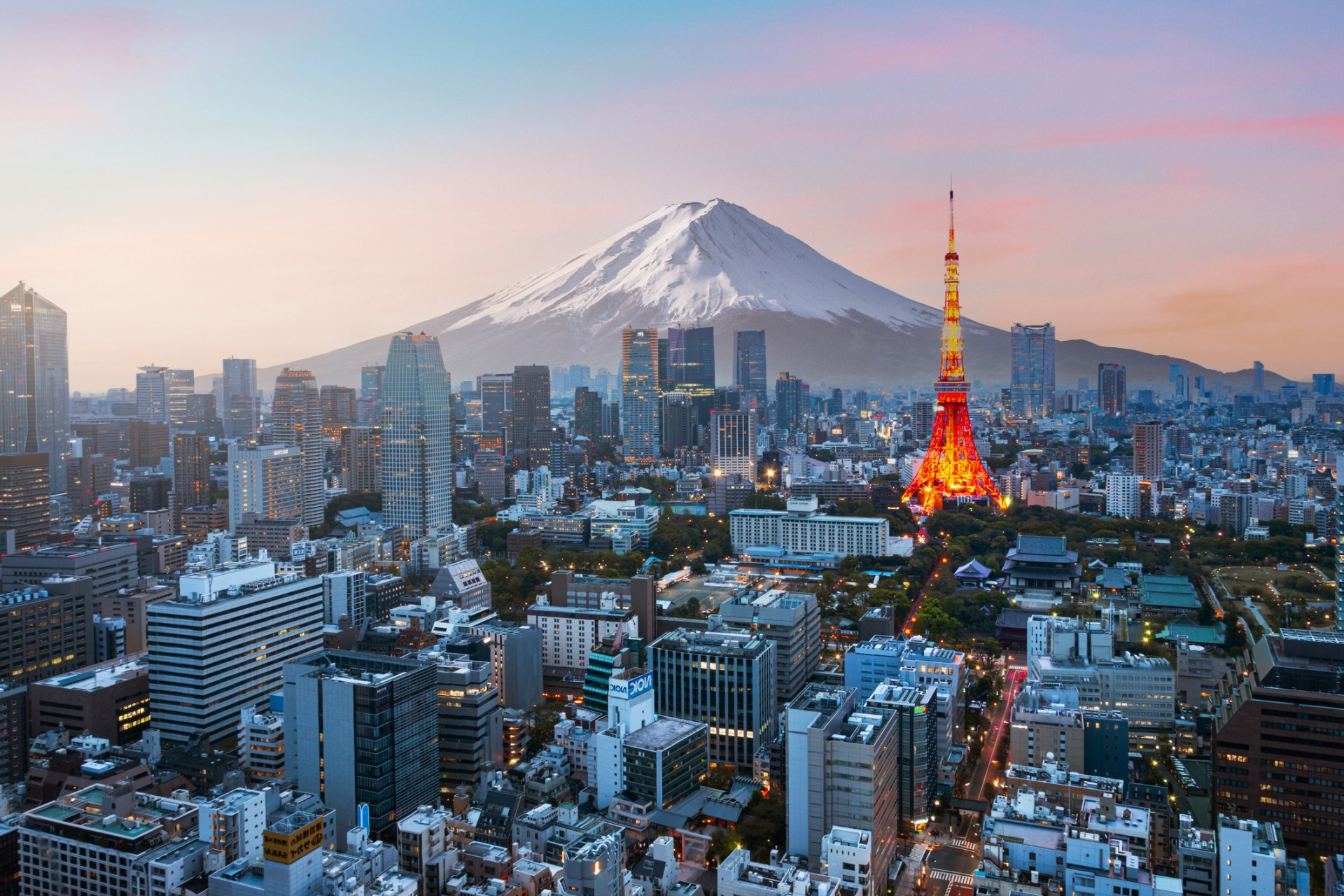
The Land of the Rising Sun, known for its cherry blossoms, ancient temples, and 24-hour ramen, has long been a top destination for travelers. In fact, 32% of Brits have named Japan as their ultimate bucket-list destination. However, the upcoming Japan Electronic System for Travel Authorization (JESTA), set to launch in 2028, is set to change the way visitors approach their trips.
Earlier this month, the Japanese government approved a bill introducing JESTA, which will require travelers from 74 countries to provide specific information before they arrive. These details include:
- Passport information
- The reason for their visit
- Accommodation details
This system aims to streamline the immigration process and improve security by collecting necessary data in advance. While there is currently no information on the cost of the JESTA, the U.S. ESTA currently costs around £30 per traveler.
Once approved, visitors will not need to have their passports stamped upon entry, which the Japanese government hopes will make airport arrivals faster and more efficient. Additionally, airlines will be required to pass passenger information to immigration services. If a traveler’s JESTA application is not accepted, airlines have the right to refuse boarding.
Visitors from the following countries will need to apply for a JESTA:
- Andorra
- Argentina
- Australia
- Austria
- Bahamas
- Barbados
- Belgium
- Brazil
- Brunei
- Bulgaria
- Canada
- Chile
- Costa Rica
- Croatia
- Cyprus
- Czech Republic
- Denmark
- Dominican Republic
- El Salvador
- Estonia
- Finland
- France
- Germany
- Greece
- Guatemala
- Honduras
- Hong Kong
- Hungary
- Iceland
- Indonesia
- Ireland
- Israel
- Italy
- Latvia
- Lesotho
- Liechtenstein
- Lithuania
- Luxembourg
- Macao
- Malaysia
- Malta
- Mauritius
- Mexico
- Monaco
- Montenegro
- Netherlands
- New Zealand
- North Macedonia
- Norway
- Panama
- Paraguay
- Peru
- Poland
- Portugal
- Qatar
- Republic of Korea
- Romania
- San Marino
- Serbia
- Singapore
- Slovakia
- Slovenia
- Spain
- Suriname
- Sweden
- Switzerland
- Taiwan
- Thailand
- Tunisia
- Türkiye
- United Arab Emirates
- United Kingdom
- United States
- Uruguay
In addition to the JESTA, Japan is also making other changes for its tourists. Last year, Kyoto, a city rich in history and home to landmarks like Nijo Castle and the Kyoto Imperial Palace, announced an increase in its tourist tax. The fee, first introduced in 2018, has now been raised significantly. The new rates could boost the city’s annual revenues from accommodation taxes from ¥5.2 billion (£24,611,600) to ¥12.6 billion (£59,635,800).
The fees vary depending on the type of accommodation. Rooms priced between ¥50,000 (£236.65) and ¥99,999 (£473.30) per night will incur a ¥4,000 (£18.93) fee, while lower-cost options ranging between ¥20,000 (£94.66) and ¥49,999 (£236.65) will pay a ¥1,000 (£4.73) fee, matching the current rate.
Another challenge for tourists is understanding public transport etiquette in Japan. A recent survey by the Japan Private Railway Association found that loud behavior was the most irritating for locals, with 69% of respondents expressing frustration. Large luggage was also a common annoyance, with 42% of respondents finding it difficult to tolerate oversized suitcases and bags placed in inconvenient spots.
For those planning to take the bullet train, it’s essential to be aware of these local customs. Understanding and respecting them can help avoid misunderstandings and ensure a smoother travel experience.


Bahran Hariz adalah seorang penulis di Media Online IKABARI.